


Description
Available Deer Netting Sizes
|
Deer netting specification |
Line wires |
Netting height |
Stay wire spacing |
Roll length |
|
T11/150/15 |
11 |
150cm |
15cm |
100m |
|
T15/155/15 |
15 |
155cm |
15cm |
100m |
|
R13/192/15 |
13 |
192cm |
15cm |
100m |
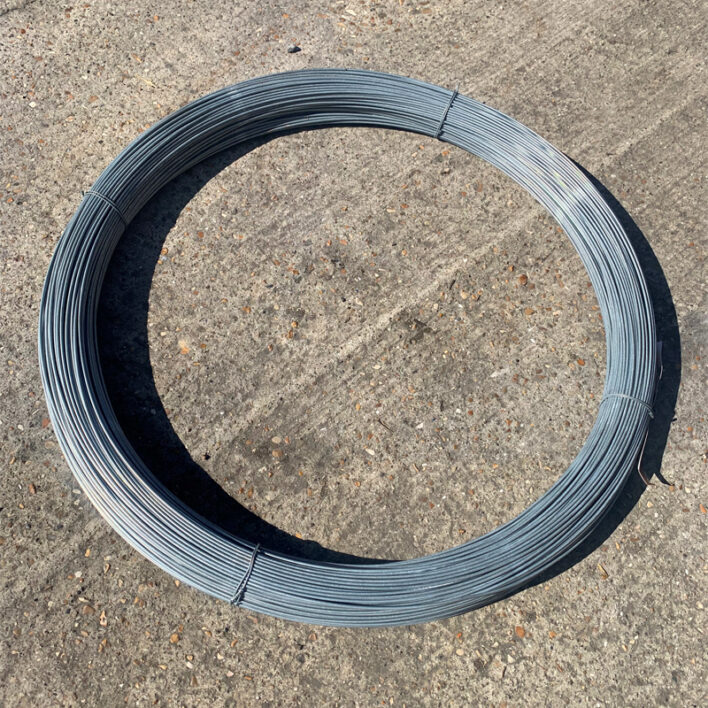
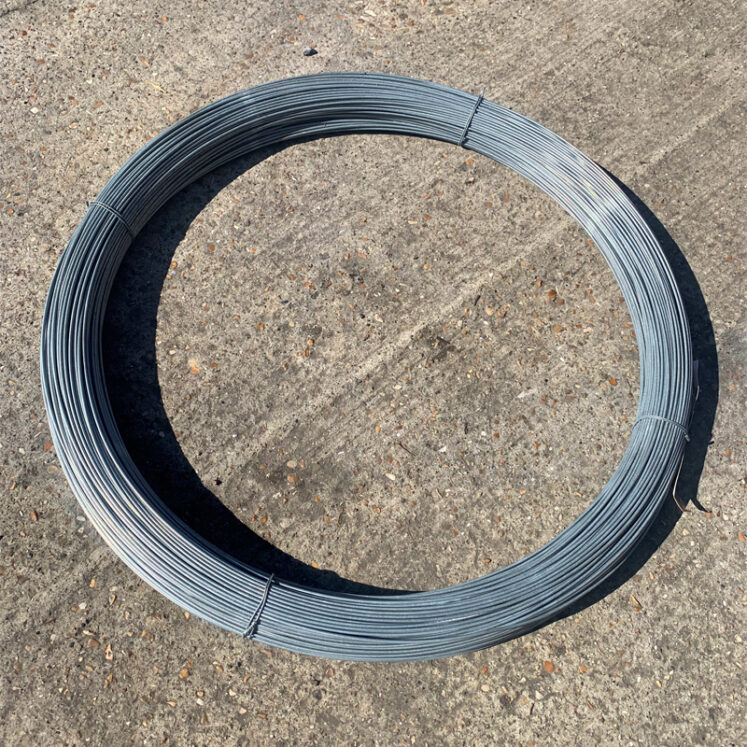
All three products are supplied as galvanised steel wire netting for appropriate agricultural and rural fencing applications.
Understanding Deer Netting Sizes – What Does T11/150/15 Mean?
When choosing deer netting, customers will notice that each option is identified by a code such as T11/150/15 or R13/192/15.
These codes describe important characteristics of the fencing mesh and make it easier to compare the available specifications.
Using T11/150/15 as an example, the numbers are broken down as follows:
- 11 – Number of line wires: This indicates that the netting contains 11 horizontal line wires running along the length of the roll.
- 150 – Overall height: This refers to the height of the netting in centimetres. In this example, the roll is 150cm high, equivalent to 1.5 metres.
- 15 – Stay wire spacing: This describes the horizontal distance between the vertical stay wires, measured in centimetres. A spacing of 15cm is equivalent to 150mm.
The letters T and R identify different product patterns or wire specifications. They should not be interpreted as a measurement or used on their own to assume a particular tensile strength. The exact construction associated with each prefix should be confirmed against the manufacturer’s specification where this is important.
Understanding these measurements helps customers identify the physical differences between the products.
For example, netting with a greater height may be more suitable where a taller barrier is required, while a greater number of horizontal line wires changes the arrangement of the mesh openings.
The height and spacing should always be considered alongside the type of deer being managed, as different species may require different overall fencing arrangements.
T11/150/15 Deer Netting – 100m Roll
Our T11/150/15 Deer Netting has 11 horizontal line wires, an overall height of 150cm and vertical stay wires positioned at 15cm intervals.
Supplied in a 100m roll, this specification provides a 1.5 metre high wire barrier suitable for consideration in deer fencing projects where this height and mesh pattern meet the site’s requirements.
Its 11 horizontal wires form a series of mesh openings across the height of the fence, while the 15cm stay spacing provides regularly positioned vertical supports throughout the netting.
The 100m roll length is particularly convenient for field boundaries and agricultural installations where longer continuous sections of fencing are required.
A 150cm netting height may form part of a suitable fencing system for certain smaller deer species, depending on local conditions and the overall fence design.
However, it is important to establish the species present before installation, as taller deer and some locations may require greater fence height or additional measures.
T15/155/15 Deer Netting – 100m Roll
The T15/155/15 Deer Netting provides an alternative configuration with 15 horizontal line wires, a height of 155cm and vertical stay spacing of 15cm.
Compared with the T11/150/15 version, this option incorporates four additional horizontal line wires within a similar overall height.
This creates a different vertical mesh arrangement, which may be preferable where a greater number of line wires is required as part of the fencing specification.
The 155cm height gives a slightly taller barrier than the 150cm option, although this difference alone should not determine its suitability for particular deer species.
As with the other options in our range, this deer netting is supplied in a 100m roll and is galvanised for outdoor use.
The combination of multiple horizontal wires and regularly spaced stays makes it a practical option for customers comparing different deer fencing configurations for woodland, agricultural and estate boundaries.
R13/192/15 Deer Netting – 100m Roll
Our R13/192/15 Deer Netting is the tallest option in this range, with an overall height of 192cm.
It features 13 horizontal line wires and 15cm vertical stay spacing, providing a substantially taller mesh barrier than the two 150cm-class products.
At approximately 1.92 metres high, this specification may be more appropriate for applications where additional fence height is needed, including certain woodland protection and larger deer exclusion projects.
The added height is particularly relevant because deer are capable of jumping over conventional low-level agricultural fencing.
However, the finished fence must still be assessed against the deer species present, the terrain and the required mesh dimensions. A taller roll does not automatically guarantee effective exclusion, particularly where smaller deer may be able to pass through openings or underneath the fence.
Supplied in a 100m roll, the R13/192/15 option provides customers with a practical solution when specifying a taller deer netting boundary.
Effective Deer Fencing for Agricultural and Rural Land
Deer netting is a specialist type of wire fencing used to create boundaries that help prevent deer from entering or leaving designated areas. Unlike conventional low-level stock fencing, deer fencing is generally designed with additional height to account for the natural jumping ability of deer.
For farmers, woodland managers and rural landowners, controlling deer access can be an important part of protecting land and maintaining established boundaries. Deer may enter fields, plantations and gardens in search of food, potentially causing damage to crops, young trees and cultivated areas.
A properly designed deer netting fence provides a continuous physical barrier that can help reduce unwanted movement between different areas of land.
The effectiveness of the fence depends on several factors, including its height, mesh configuration, supporting posts and installation quality. Selecting the correct netting specification is therefore essential when planning a new deer fencing project.
Our range includes three different options, allowing customers to consider both the required fencing height and the spacing of the wire mesh.
Durable Galvanised Wire Construction
Deer fencing is normally installed outdoors for extended periods, often in locations exposed to rain, wind, frost and changing ground conditions. As a result, the quality of the wire and its protective finish are important considerations.
Our deer netting is manufactured from steel wire that has been galvanised to British Standards. Galvanising provides a protective zinc coating that helps resist corrosion and reduces the rate at which the underlying steel deteriorates.
This is particularly important in agricultural and forestry environments, where fencing may remain in place throughout the year without shelter from the elements.
The galvanised finish also helps reduce maintenance requirements compared with unprotected steel wire, although routine inspection remains important for maintaining the effectiveness of the completed fence.
All our steel and wire products are manufactured and supplied in the UK, providing customers with a dependable fencing material for outdoor agricultural applications.
Protecting Woodland and Young Trees
One of the principal applications for deer netting is protecting woodland, newly planted trees and developing plantations.
Deer browsing can damage young trees by removing leaves, buds and shoots, particularly during the early stages of growth when trees are less established.
Repeated browsing may restrict development, alter the shape of trees or prevent successful regeneration in vulnerable woodland areas.
Deer can also damage bark through rubbing and other contact, creating additional challenges for forestry management.
Installing suitable deer fencing around a plantation or woodland boundary can help reduce access and allow vulnerable trees to develop with less pressure from browsing animals.
For larger planting schemes, perimeter deer netting may provide a practical alternative to fitting individual guards around every tree, depending on the site and its management objectives.
The height and mesh specification must be selected carefully, particularly where several deer species are present within the same area.
Agricultural Land and Crop Protection
Deer netting can also be useful for agricultural landowners looking to protect valuable crops and manage access to fields.
Deer may enter agricultural land to graze on crops, grass or other vegetation, and repeated activity can create damage in vulnerable areas.
A suitable deer fencing system helps establish a defined boundary between agricultural land and surrounding habitats, reducing opportunities for unwanted access.
This can be particularly beneficial where fields are located beside woodland, hedgerows or established deer habitats.
Deer netting can also form part of wider land management arrangements where livestock need to remain within a designated enclosure.
However, when fencing is intended to contain farm animals as well as exclude deer, the specification must be suitable for both purposes.
The overall height, mesh dimensions and method of installation should therefore reflect the animals involved rather than being selected solely on the basis of deer exclusion.
Choosing the Correct Deer Netting Height
Selecting the right fencing height is one of the most important decisions when planning a deer netting installation.
Different species have different physical characteristics and may require different fence heights or mesh arrangements.
As a general guide, woodland and countryside fencing recommendations commonly distinguish between smaller deer, such as muntjac and roe, and larger species, including fallow, red and sika deer.
Some deer fencing guidance specifies heights around 1.5 metres for certain smaller deer, while larger species and more exposed or demanding locations may require fencing around 1.8 to 2 metres or greater.
The correct height should be determined through the relevant guidance and the particular conditions of the site.
Mesh opening size is equally important. Smaller deer may be capable of passing through openings that would prevent access by larger animals.
For this reason, customers should consider both netting height and the arrangement of horizontal and vertical wires when comparing the available products.
Installation and Supporting Fence Posts
Correct installation plays an important role in the strength and reliability of any deer fencing system.
Deer netting should be supported by suitable fencing posts, with properly constructed straining assemblies at fence ends and changes of direction.
The spacing of intermediate posts will depend on the fencing design, post material, ground conditions and relevant installation requirements.
Timber fencing posts are commonly used in agricultural and forestry environments, although suitable steel fencing systems may also be appropriate.
The netting should be installed at the correct height and tensioned in accordance with the chosen wire specification.
Particular attention should be given to the lower edge of the fence. Deer may attempt to pass through gaps underneath poorly fitted netting, especially where the ground is uneven.
Gateways, corners and junctions with existing fences should also be considered carefully, as these areas can otherwise create weak points in the boundary.
Regular inspections are recommended to identify damaged wire, loose fixings or changes in ground level that could reduce the effectiveness of the fencing.
If you would like help with your installation, our sister company Four Seasons Fencing offers professional fencing installation of deer netting and much more.
Convenient 100m Rolls for Larger Installations
All three of our deer netting specifications are supplied in 100 metre rolls.
This roll length makes the products suitable for longer agricultural and forestry boundaries, reducing the number of separate rolls needed for larger installations.
Customers can estimate the quantity required by measuring the total length of the proposed fence and allowing additional material for connections, corners and any necessary overlap or joining.
For extensive fencing projects, careful planning can help minimise material waste and ensure the correct netting specification is used throughout the installation.
The availability of three different configurations also provides flexibility where different sections of a property require different fencing arrangements.
Why Choose Deer Netting from FSF Fencing Supplies?
At FSF Fencing Supplies, we offer a range of agricultural and stock fencing products for farmers, fencing contractors, forestry operations and rural landowners.
Our Deer Netting is available in three specifications, providing a choice of heights and mesh configurations for different installation requirements.
Manufactured and supplied in the UK and galvanised to British Standards, our wire products are designed to offer durability and dependable performance in outdoor environments.
Whether you are installing a new woodland perimeter, protecting agricultural land or replacing an existing deer fence, selecting suitable materials is essential for creating a strong and effective boundary.
For advice on Deer Netting, fencing posts, suitable wire specifications or other agricultural fencing products, contact FSF Fencing Supplies to discuss your requirements.
Reviews
There are no reviews yet.