

Description
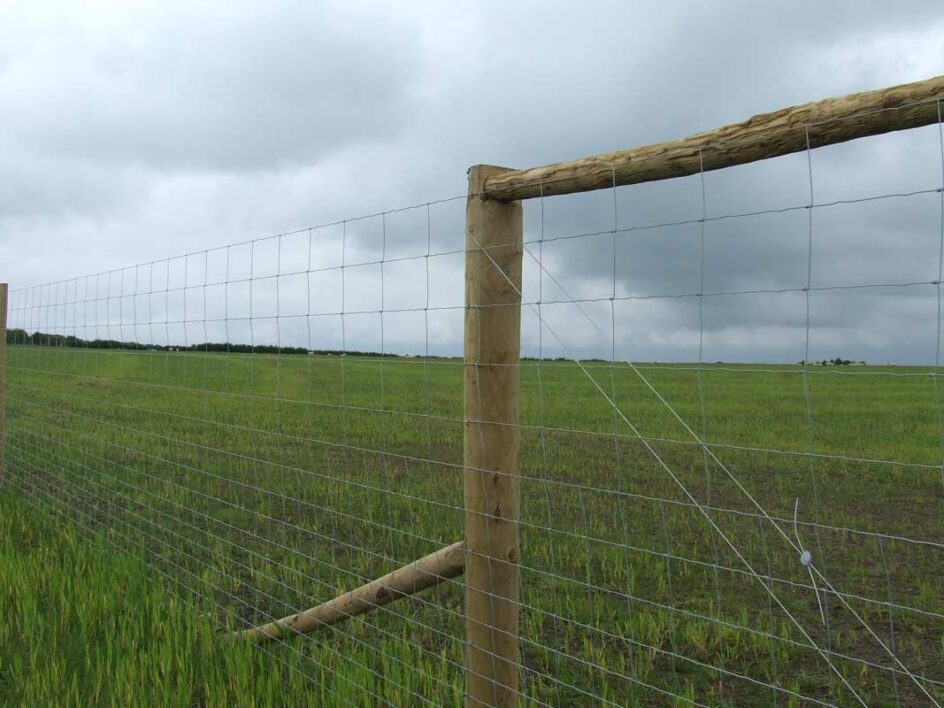
Horse netting is designed to provide a secure boundary for equestrian use, helping to keep horses safely contained while creating a defined barrier around paddocks, fields and grazing areas. It is one of the most cost-effective ways to improve field security, especially where a full post and rail fence may not be required or where netting is being added to strengthen an existing fence line.
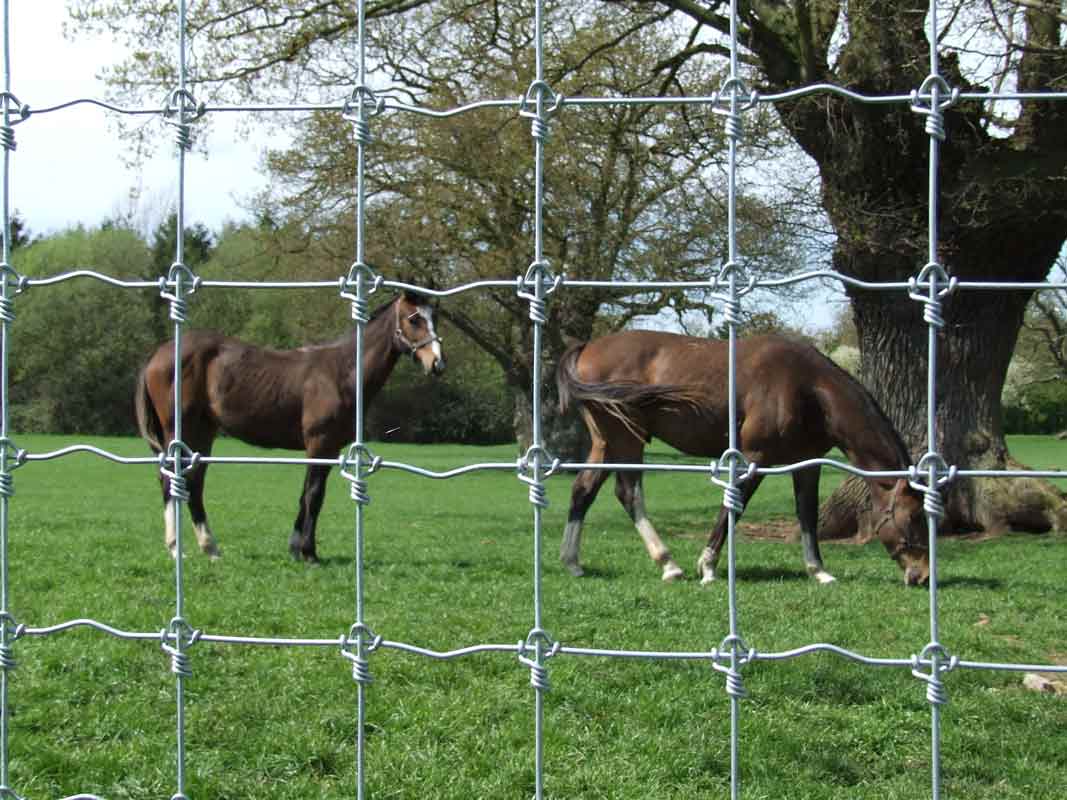
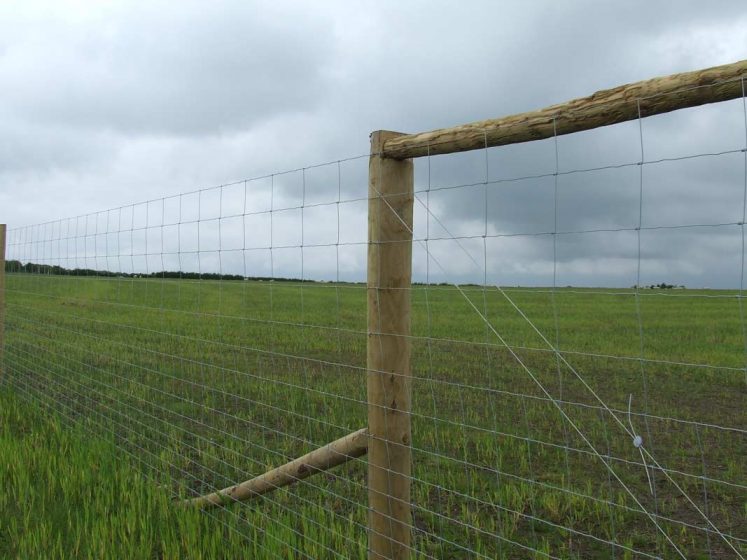
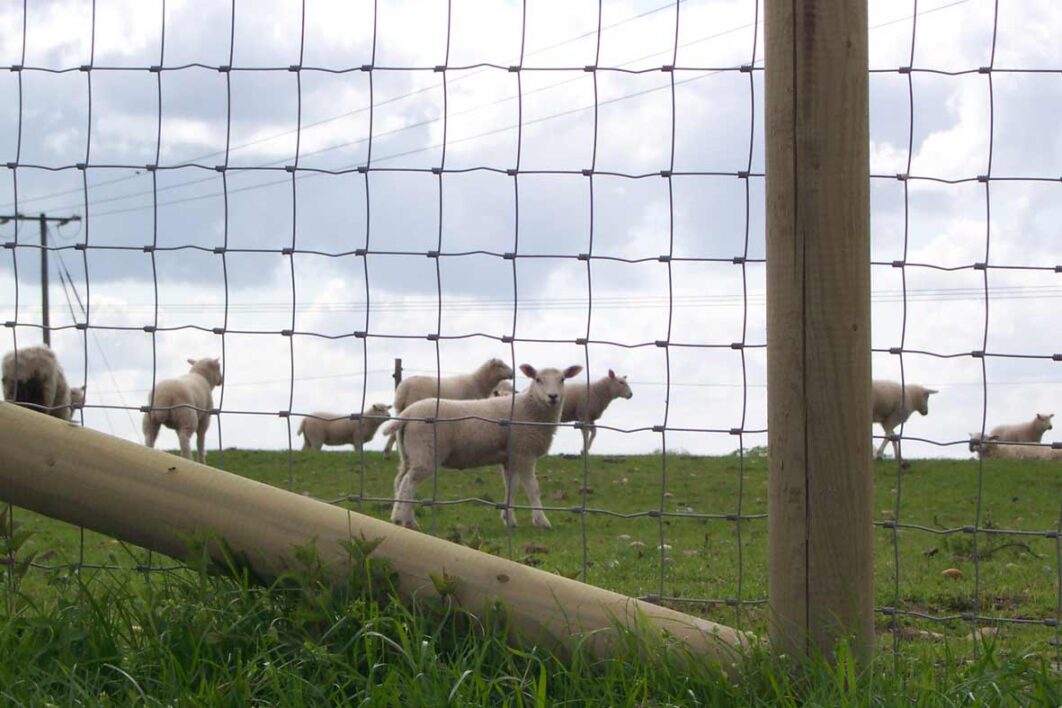
The mesh structure is formed from horizontal line wires and vertical stay wires. This creates a consistent pattern across the fence, helping to form a strong barrier along the length of the roll. The spacing of these wires is important because it affects the overall strength, visibility and suitability of the fencing for different uses. Horse netting is designed with optimum stay and line wire spacing to provide durability while helping to reduce the risk of animals passing through or damaging the fence.
For horse owners, secure fencing is essential. Horses can be powerful animals, and paddock boundaries need to be strong enough to withstand outdoor conditions, everyday use and pressure from animals leaning, rubbing or grazing close to the fence line. A properly installed horse netting system can help create a safer, more reliable enclosure.
Available Horse Netting Sizes
Our horse netting is available in a range of sizes and roll options, including:
- R11/120/15 – 100m roll
- R12/110/5 – 50m roll
- R12/110/8 – 50m roll
- R12/110/8 – 100m roll
- High Tensile 13/122/8 – 50m roll
- High Tensile 12/107/8 – 50m roll
- R13/120/5 – 100m roll
- R13/120/5 – 50m roll
- R13/120/8 – 50m roll
- R13/120/8 – 100m roll
- R15/158/5 Torus – 50m roll
These options provide a choice of roll heights, line wire counts, stay wire spacing and roll lengths, making it possible to select the most suitable product for your fencing project.
Understanding Horse Netting Sizes
Horse netting sizes are commonly listed using a code format such as R13/120/8. This can look confusing at first, but it is simply a way of describing the structure of the roll.
The format generally refers to:
- Number of horizontal line wires
- Overall roll height in centimetres
- Distance between vertical stay wires in centimetres
For example, a code such as R13/120/8 means the netting has 13 horizontal line wires, an approximate roll height of 120cm, and vertical stay wires spaced at 8cm intervals.
A code such as R12/110/5 means there are 12 line wires, the roll height is approximately 110cm, and the stay wires are spaced at 5cm intervals.
This system makes it easier to compare different roll specifications. A taller roll can provide more height for containment, while closer stay wire spacing creates a tighter mesh. Wider stay spacing may be suitable for some applications, while closer spacing can offer a denser barrier depending on the animals and site requirements.
The letter “R” is commonly used as part of the product reference for this type of wire netting. The most important numbers to focus on are the line wire count, the height and the stay wire spacing, as these determine the physical structure of the netting.
Choosing the Right Horse Netting Specification
When choosing horse netting, the correct specification will depend on the purpose of the fence and the site conditions. For horse paddocks, height is an important consideration because the fence needs to provide a suitable visual and physical boundary. Stay wire spacing is also important because it affects the size of the openings within the mesh.
Closer stay wire spacing, such as 5cm, creates a tighter mesh. This may be preferred where a more enclosed barrier is required or where there is a need to discourage smaller animals from passing through. Spacing such as 8cm is also commonly used and provides a strong fencing structure while still offering a practical mesh layout for field boundaries.
Roll length is another consideration. Some sizes are available in 50m rolls, while others are available in 100m rolls. A 100m roll can be useful for longer fence lines and larger paddocks, reducing the number of roll joins required. A 50m roll may be more practical for smaller areas, repairs, shorter boundaries or installations where easier handling is preferred.
High Tensile Wire Options
Many of our horse netting options are available in high tensile wire. High tensile fencing is designed to provide a stronger wire structure than standard mild steel alternatives. When installed correctly, it can maintain tension effectively along the fence line, helping the netting remain upright, secure and tidy over time.
High tensile horse netting is particularly useful for longer runs, larger paddocks and agricultural settings where the fence needs to cover a significant boundary. Because it is designed to hold tension well, it can help reduce sagging and movement across the fence line. This is important for both appearance and performance, as a loose or poorly tensioned fence is less effective and more likely to require maintenance.
The available high tensile options include specific roll heights and stay wire spacings, allowing customers to choose a specification that suits their paddock, boundary or field layout. Selecting the correct height and mesh spacing will depend on the type of animals being contained or excluded, the ground conditions, the post system being used and the overall fencing design.
Heavily Galvanised for Long-Term Use
Horse netting is exposed to year-round weather, including rain, frost, wind and damp ground conditions. For this reason, galvanising is an important part of the product’s durability. Our horse netting is heavily galvanised to help protect the wire from corrosion and extend its working life.
Galvanising coats the steel wire with a protective zinc layer. This helps reduce rusting and deterioration, particularly in exposed outdoor environments. For equestrian fencing, where the netting may be used around fields, paddocks, gateways and boundary lines, a durable galvanised finish is essential for long-term performance.
All our steel and wire products are supplied and manufactured in the UK and galvanised to British Standards. This ensures customers receive a product designed for agricultural and equestrian use, rather than a lightweight or unsuitable alternative.
Suitable Uses for Horse Netting
Horse netting is suitable for a variety of equestrian and agricultural applications. It can be used to fence paddocks, divide grazing areas, strengthen field boundaries or add protection to existing fencing. It is also useful where horse owners want to help exclude other animals from the paddock or reduce the risk of horses moving beyond the boundary.
Typical applications include:
- Horse paddocks
- Grazing fields
- Equestrian boundaries
- Field divisions
- Perimeter fencing
- Boundary reinforcement
- Animal exclusion fencing
- Agricultural land
- Smallholdings
- Rural properties
It can be used as part of a wider fencing system with timber posts, strainers and suitable tensioning. Correct installation is important to ensure the netting performs properly. High tensile options in particular should be tensioned correctly to achieve the intended strength and stability.
Why Choose UK-Manufactured Horse Netting?
Choosing UK-manufactured horse netting gives customers confidence in the quality, consistency and suitability of the product. Our steel and wire products are manufactured in the UK and galvanised to British Standards, ensuring the fencing is made for demanding outdoor use.
For equestrian customers, this is important because horse fencing must be dependable. A poor-quality wire product may deteriorate more quickly, lose tension or become unsuitable for long-term use. By choosing heavily galvanised wire netting manufactured to recognised standards, customers can invest in a fencing material designed for strength and longevity.
Cost-Effective Paddock Protection
Horse netting is one of the most cost-effective ways to create or reinforce a secure paddock boundary. It provides a continuous mesh barrier across the fence line and can be used across long runs without the expense of more decorative fencing systems. It is also useful where a functional agricultural appearance is suitable, or where the main priority is strength, containment and animal protection.
When combined with suitable posts and correct installation, horse netting provides a reliable boundary for equestrian and field environments. Its heavily galvanised finish supports long service life, while the range of sizes gives flexibility for different fencing requirements.
Why Choose Horse Netting from FSF Fencing Supplies?
At FSF Fencing Supplies, we supply a wide range of fencing products for agricultural, equestrian and rural use. Our horse netting options are selected for strength, durability and practical field performance. With multiple sizes available, including high tensile options and both 50m and 100m rolls, customers can choose the specification that best suits their land, animals and fencing layout.
Whether you are replacing an old paddock boundary, installing new horse fencing or reinforcing an existing fence, our team can help you choose the most suitable horse netting option. For advice on roll sizes, high tensile specifications, stay wire spacing or matching posts and fencing accessories, contact FSF Fencing Supplies and we will be happy to help.
Reviews
There are no reviews yet.