


Description
Barbed Wire Sizes and Specifications
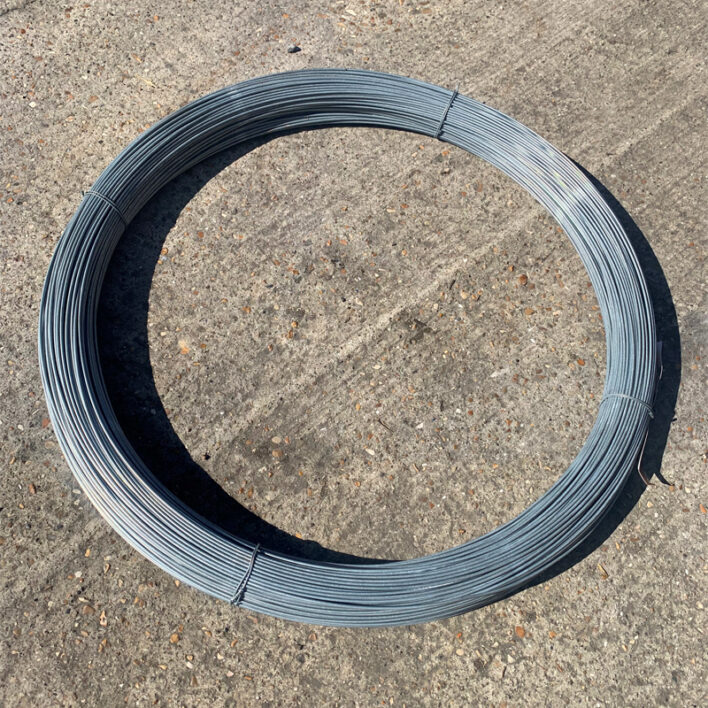
Our agricultural barbed wire is available in the following two options:
|
Product |
Specification |
Roll length |
|
Mild Steel Barbed Wire |
2.5mm line wire / 2mm barb wire, 2-ply |
200m |
|
Titan High Tensile Barbed Wire |
2mm high tensile, 2-ply |
200m |
Both products are galvanised and suitable for appropriate agricultural fencing applications.
What Is Barbed Wire and How Is It Used?
Barbed wire is a traditional agricultural fencing material consisting of twisted steel wire strands fitted with regularly spaced sharp barbs. Its primary purpose is to create a physical deterrent that discourages animals from pressing against or attempting to move through particular sections of a fence.
It has been used in agricultural fencing for generations and remains a familiar choice for farmers, landowners and fencing contractors who need a straightforward way of reinforcing livestock boundaries.
One of its principal applications is along the upper section of an existing stock fence. Cattle and other large animals can place considerable pressure on fencing, particularly when leaning over the top to reach vegetation on the opposite side. Repeated pressure can gradually damage the fence, loosen fixings or cause the mesh to lose its original shape.
A correctly positioned strand of barbed wire can help discourage animals from pressing against the upper edge, reducing the likelihood of repeated downward loading. However, it should be considered an additional deterrent rather than a substitute for a properly constructed and maintained stock fence.
Barbed wire can also form part of certain standalone agricultural fencing arrangements, provided the design is appropriate for the livestock and location. The correct number of strands, fence height and installation method will depend on the animals being managed and the intended function of the boundary.
Mild Steel Barbed Wire
Our Mild Steel Barbed Wire offers a traditional fencing solution for agricultural applications where flexibility and straightforward handling are important.
Mild steel wire is generally more ductile than high tensile alternatives, meaning it can be easier to bend and manipulate during installation. This can be particularly useful when working around fence posts, corners, gateways and shorter boundary sections.
The mild steel product features a 2-ply construction, with two wire strands twisted together to form the main fencing line. Sharp barbs are incorporated along the wire to create the deterrent effect associated with conventional barbed fencing.
Our Mild Steel option is supplied in 200m rolls, with a specification of 2.5mm line wire and 2mm barbing wire.
This combination provides a practical material for conventional agricultural fencing, particularly where the installation already uses mild steel stock fencing.
The wire is galvanised to help protect the steel against corrosion, making it suitable for outdoor exposure throughout the changing seasons.
Mild steel may be preferable for customers who are carrying out smaller fencing projects, making repairs to existing boundaries or installing traditional livestock fencing where extreme wire tension is not required.
Titan High Tensile Barbed Wire
Our Titan High Tensile Barbed Wire provides an alternative for customers who require greater tensile strength in their agricultural fencing.
High tensile wire is manufactured to withstand higher levels of tension than conventional mild steel. This makes it particularly useful in fencing systems designed around correctly strained wire, where maintaining consistent tension along the fence line is an important consideration.
The Titan option features a 2mm high tensile line wire and is supplied in 200m rolls.
High tensile fencing wire is less easily stretched than mild steel, which can be beneficial when constructing longer agricultural boundaries. When correctly installed using suitable straining posts, supports and tensioning equipment, it provides a strong and stable fencing line.
Because of its higher tensile strength, this type of barbed wire requires appropriate installation methods. Secure end assemblies, suitable straining equipment and careful tensioning are important to achieve the intended result.
Titan High Tensile Barbed Wire is particularly relevant for livestock fencing projects where strength, durability and effective wire tension are priorities.
Mild Steel vs High Tensile Barbed Wire
Both options provide the deterrent function associated with agricultural barbed wire, but their material characteristics make them suitable for slightly different installation requirements.
Mild Steel Barbed Wire is more flexible and generally easier to bend, making it a practical choice for conventional fencing, shorter runs and repairs. It is also a familiar material for agricultural fencing contractors working with traditional mild steel stock fencing.
High Tensile Barbed Wire, on the other hand, offers increased resistance to stretching. This makes it particularly suitable for properly designed and tensioned fencing systems where maintaining a consistent wire line is essential.
Neither option is automatically the best choice for every farm. The decision should take account of the existing fence construction, the type of livestock, the distance being fenced and the equipment available for installation.
For customers replacing damaged barbed wire on an established boundary, matching the characteristics of the existing fencing system is often a sensible starting point.
Additional Protection for Cattle Fencing
Cattle are large, powerful animals capable of placing substantial pressure on agricultural fencing. Even a well-built stock fence can experience repeated loading when livestock lean against the upper edge or reach towards vegetation beyond the boundary.
Barbed wire is sometimes installed above the main stock netting to discourage direct contact with its upper section. This can provide additional protection for the fence itself by reducing repeated downward pressure.
The placement of barbed wire needs careful consideration. It should be positioned as part of a suitable livestock fencing design rather than added indiscriminately.
For example, a boundary used for adult cattle may require a different fencing arrangement from one used for youngstock or smaller animals. Where rubbing and leaning are persistent problems, alternative deterrents such as an appropriately installed offset electric wire may be more suitable and less likely to cause injury.
The aim is to create an effective agricultural boundary while maintaining appropriate standards of animal welfare.
Galvanised Steel for Outdoor Durability
Agricultural fencing must tolerate prolonged exposure to the weather. Rainfall, moisture, changing temperatures and general outdoor conditions can all contribute to corrosion where unprotected steel is used.
Our barbed wire is galvanised to British Standards, providing a protective zinc coating around the steel.
This galvanised layer helps slow corrosion and supports the long-term performance of the fencing material. It is particularly valuable for wire products, which are generally installed permanently outdoors and are not easily removed for routine treatment.
Choosing properly galvanised wire is therefore an important consideration for agricultural fencing projects.
All steel and wire products supplied by FSF Fencing Supplies are manufactured and supplied in the UK, with galvanising carried out to British Standards. This provides customers with a dependable material suitable for agricultural installations.
Although galvanising significantly improves corrosion resistance, regular inspection remains important. Damaged or excessively worn sections should be replaced, particularly where the wire has become loose, broken or potentially hazardous to livestock.
Traditional 2-Ply Barbed Wire Construction
Both our Mild Steel and High Tensile products are available in a 2-ply configuration.
The term 2-ply describes the construction of the main wire, which consists of two strands twisted together.
This twisted arrangement forms the central structure of the barbed wire, while the sharp barbs create its deterrent function.
The combination provides a practical wire product that can be installed along agricultural fence lines using appropriate fixings, posts and straining methods.
The barbs are intended to discourage contact with the wire. For this reason, installation should always consider the animals likely to encounter the fence and whether a less hazardous alternative would be more suitable.
As with all fencing materials, the effectiveness of 2-ply barbed wire depends on correct installation and ongoing maintenance.
Suitable Agricultural Applications
Barbed wire continues to be used in a variety of farming and land management environments, particularly where additional protection is needed around livestock boundaries.
Common applications include:
- Cattle fencing: Additional deterrence along suitable stock fencing boundaries.
- Field boundaries: Reinforcement of existing agricultural fence lines.
- Farm perimeters: Defining livestock areas and helping discourage animals from crossing boundaries.
- Stock fencing reinforcement: Providing an additional strand above a compatible wire mesh fence.
- Agricultural land: Supporting livestock management across appropriately designed field enclosures.
- Fence repairs: Replacing worn or damaged strands on existing barbed wire installations.
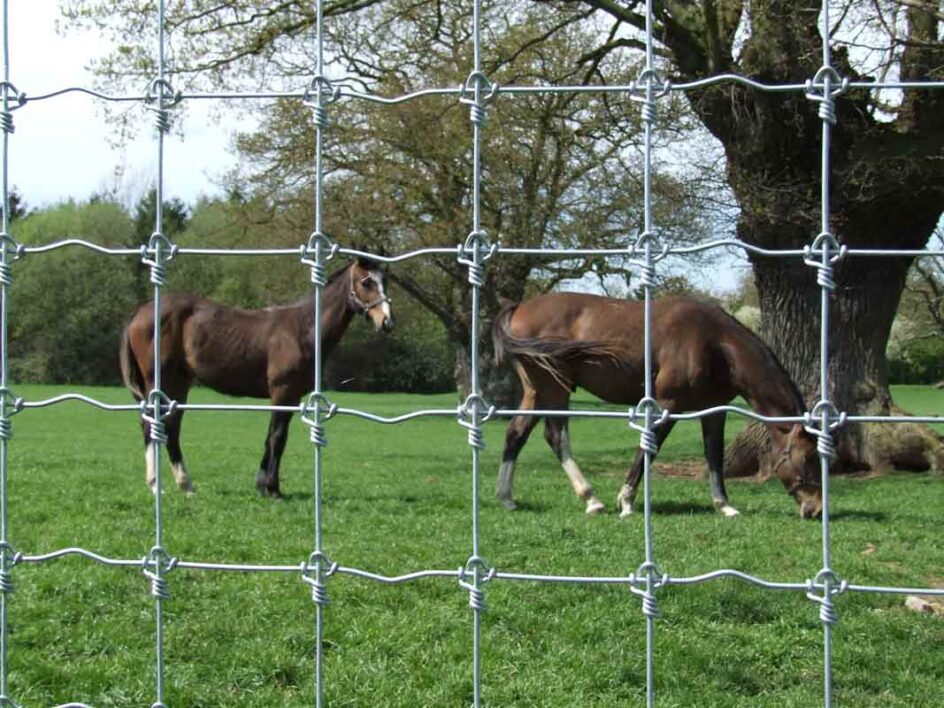
It is important to note that barbed wire is not appropriate for every type of livestock fencing. In particular, it is generally unsuitable for horse paddocks because of the risk of serious injury. Its use around sheep and other animals also requires careful consideration of welfare and entanglement hazards.
Where fencing is positioned alongside footpaths, bridleways or other public access routes, the installation must also avoid creating a hazard to people or animals lawfully using those routes.
Installation Considerations
Installing barbed wire correctly is essential for creating a stable and effective agricultural fence.
The wire should be supported by suitable fencing posts, with correctly constructed straining assemblies at the ends and changes of direction. These assemblies help manage the tension applied during installation and maintain the alignment of the completed fence.
Barbed wire may be fitted using appropriate galvanised fencing staples or other suitable agricultural wire fixings, depending on the post material and fencing system.
When attaching wire to intermediate timber posts, care is needed to avoid unnecessarily restricting movement caused by temperature changes or normal wire tension.
High tensile products should be installed using equipment and techniques suitable for the material, as incorrect handling or over-tensioning can present additional hazards.
Protective gloves, eye protection and appropriate clothing should be worn when handling barbed wire because the sharp points can cause injury. Particular care is also needed when uncoiling, straining or cutting the wire.
Customers should plan the fence height, strand positioning and overall layout around the livestock concerned. Agricultural fencing guidance may also specify particular requirements where an installation forms part of a grant-funded project.
If you would like further assistance, our sister company Four Seasons Fencing offers professional fencing installation of barbed wire, agricultural fencing, and much more.
Convenient 200m Rolls
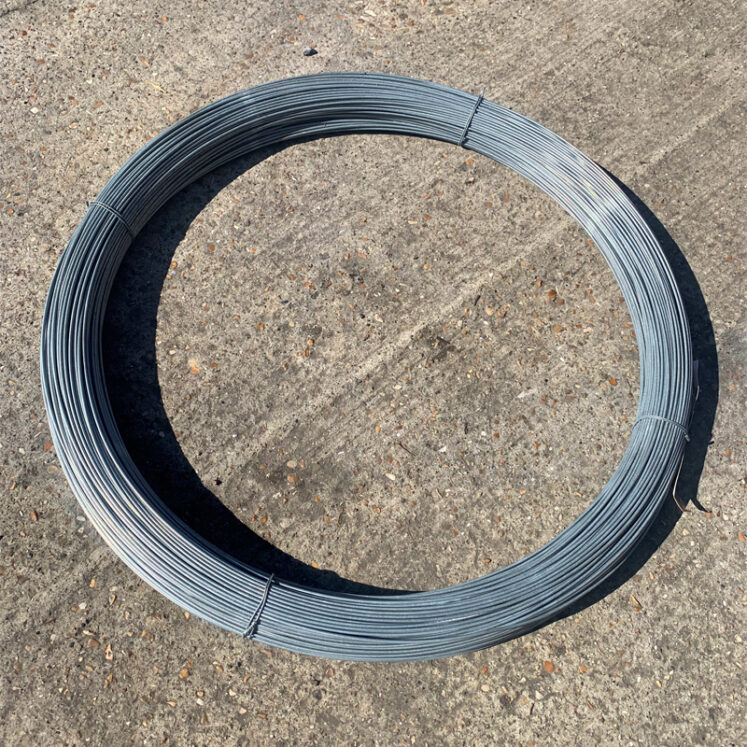
Both versions of our barbed wire are supplied in 200m rolls, providing a practical quantity for agricultural fencing projects.
A 200m roll can be used for longer boundary sections or divided between several smaller installations, depending on the requirements of the site.
For customers planning a larger fencing project, the number of rolls required can be estimated by calculating the total fence length and multiplying it by the number of barbed wire strands to be installed.
For example, a boundary requiring two continuous strands will use approximately twice the length of the fence in barbed wire. Additional material should be allowed for terminations, connections, tensioning and unavoidable wastage.
Careful measurement before ordering helps ensure sufficient material is available to complete the installation without unnecessary interruptions.
Why Choose Barbed Wire from FSF Fencing Supplies?
At FSF Fencing Supplies, we supply agricultural fencing products for farmers, fencing contractors, landowners and rural property managers.
Our Mild Steel and Titan High Tensile Barbed Wire options provide customers with a choice of traditional and higher tensile strength fencing materials, allowing the correct product to be selected for the installation.
Manufactured and supplied in the UK and galvanised to British Standards, our wire products are designed to provide dependable performance in demanding outdoor conditions.
Whether you are reinforcing an existing stock fence, replacing damaged wire or planning a new agricultural boundary, choosing the correct barbed wire specification is an important part of creating a strong and practical fencing system.
For advice on Mild Steel or High Tensile Barbed Wire, suitable fencing posts or other agricultural fencing materials, contact FSF Fencing Supplies to discuss your requirements.
Reviews
There are no reviews yet.