
Description
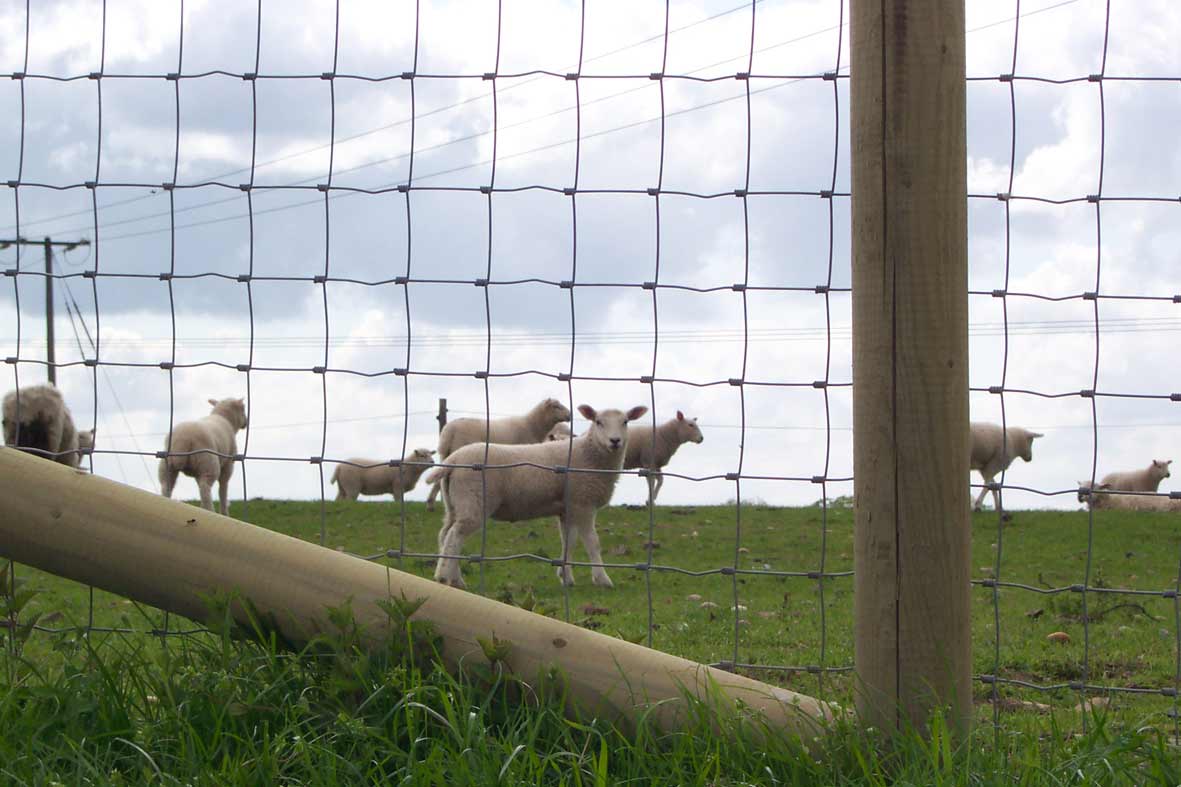
Stock netting is one of the most widely used fencing materials across agriculture due to its versatility, strength, and ability to safely contain livestock. It is particularly effective for sheep fencing, where both containment and animal safety are essential.
What Is Stock Netting?
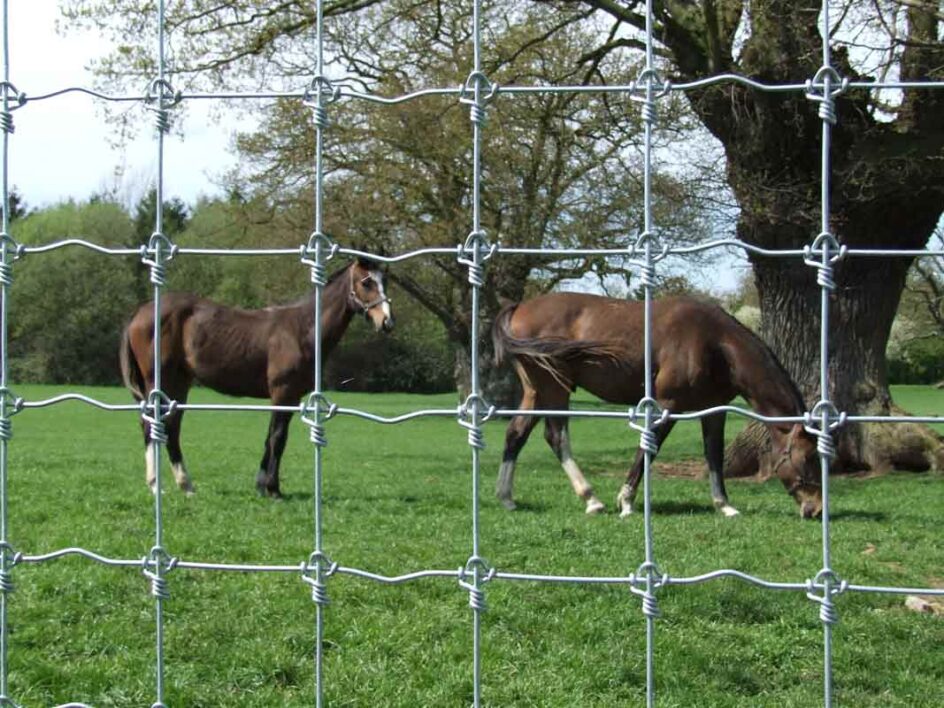
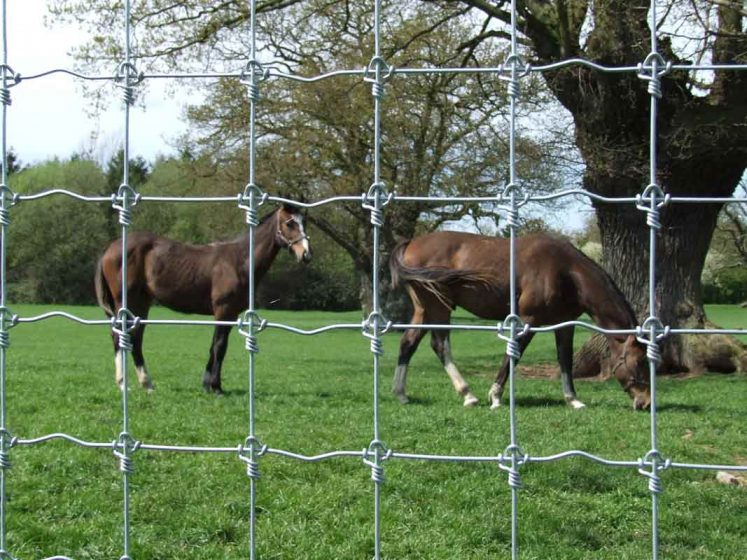
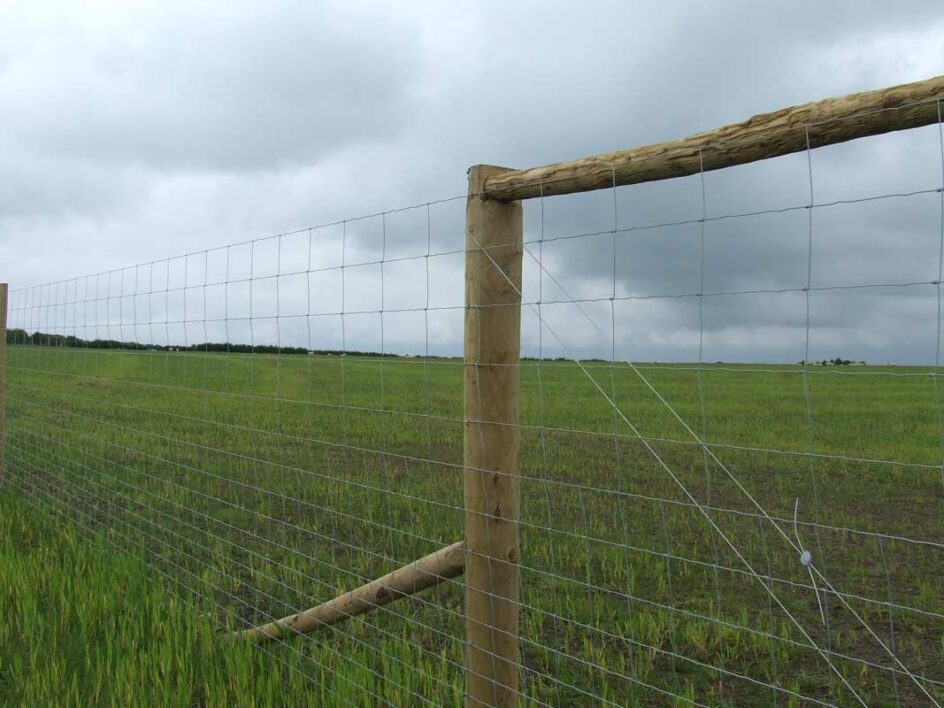
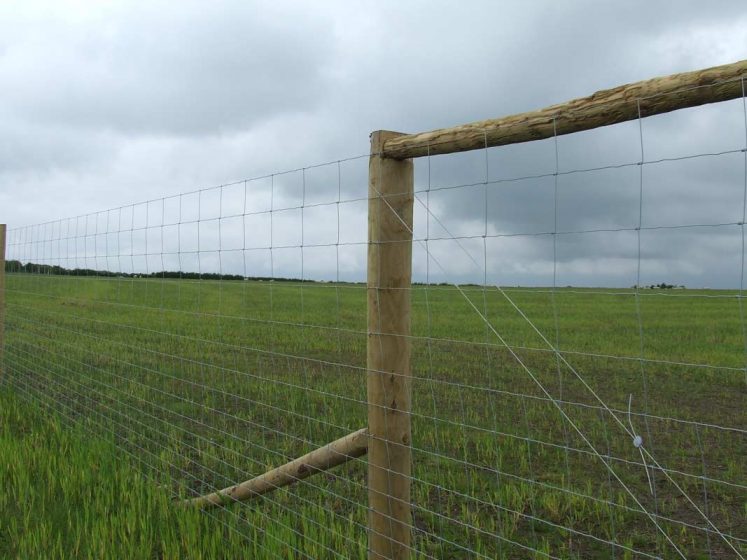
Stock netting is a woven wire fencing system made up of horizontal line wires and vertical stay wires. These wires are twisted or knotted together to form a grid-like structure that creates a continuous barrier.
The design of the netting is carefully engineered to provide strength while maintaining flexibility. This allows the fencing to absorb pressure from animals without breaking, while also adapting to uneven ground conditions. The spacing of the wires is particularly important in livestock applications, as it helps prevent animals from pushing through or becoming trapped.
Understanding Stock Netting Specifications
Each type of stock netting is labelled using a standard format:
Lines / Height (cm) / Distance Between Stay Wires (cm)
For example:
- L8/80/15
- R8/80/22
- L13/122/15
Breaking this down:
- The first number (e.g. 8 or 13) refers to the number of horizontal line wires
- The second number (e.g. 80 or 122) refers to the height of the netting in centimetres
- The third number (e.g. 15 or 22) refers to the spacing between vertical stay wires
This coding system allows you to select the most suitable fencing depending on livestock type, terrain, and level of containment required.
What Do L, C, R and HT Mean?
The letters at the beginning of each product code indicate the type of wire and construction:
- L (Light Pattern) – A lighter-weight netting suitable for general agricultural use and standard sheep fencing
- C (Medium Pattern) – A slightly stronger construction, offering increased durability for more demanding environments
- R (Reinforced Pattern) – A heavier-duty netting designed for higher pressure areas or more active livestock
- HT (High Tensile) – Made from high tensile steel, offering greater strength with less material, allowing for longer runs and improved resistance to stretching
Each type has its own advantages depending on the intended application.
Heavily Galvanised for Durability
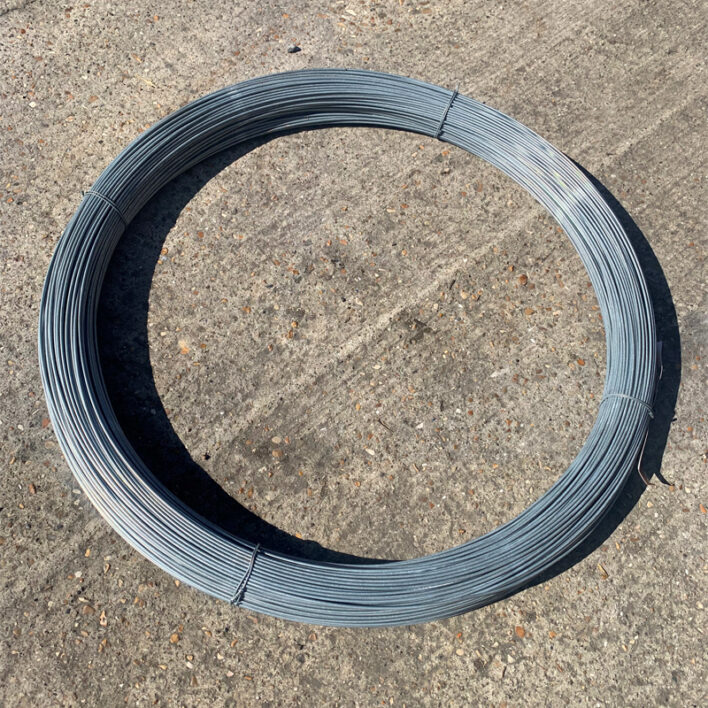
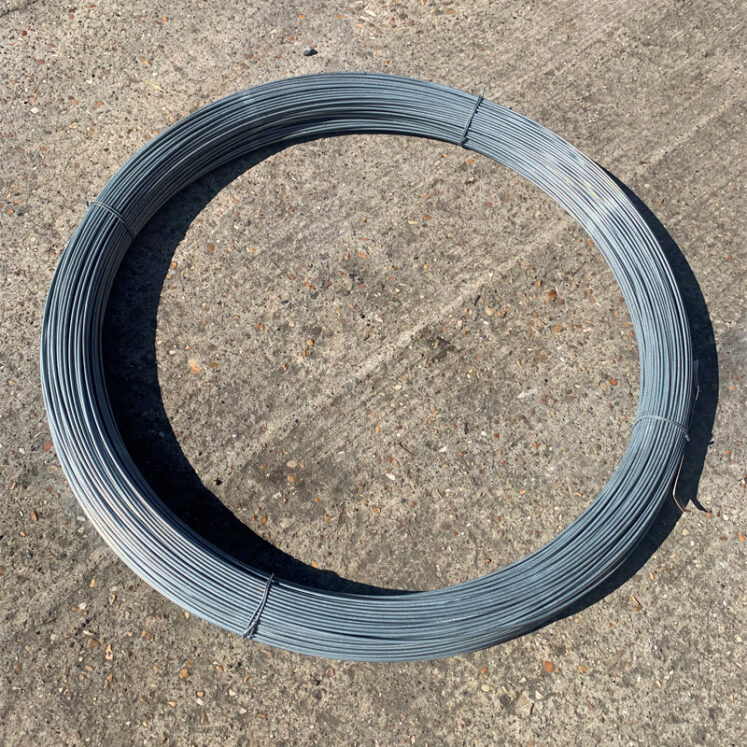
All of our stock netting is heavily galvanised, meaning it has been coated with a protective layer of zinc to prevent corrosion. This is essential for fencing products that are constantly exposed to rain, mud, and changing weather conditions.
Galvanisation significantly extends the lifespan of the wire, reducing the risk of rust and ensuring the netting remains strong over time. Because the product is manufactured and treated to British Standards, you can be confident in its quality and consistency.
Available Sizes and Their Uses
Our stock netting is available in a wide range of configurations, each suited to different applications:
L8/80/15 – 50m Roll
A lightweight option ideal for standard sheep fencing and smaller enclosures. The 80cm height provides sufficient containment for lambs and smaller livestock.
C8/80/15 – 50m Roll
A stronger alternative to the L8, offering added durability while maintaining the same height and spacing.
HT8/80/15 – 100m Roll
High tensile version of the 8-line netting, allowing for longer runs with fewer intermediate posts. Ideal for larger fields and cost-efficient installations.
L13/122/15 – 50m Roll
A taller netting option with 13 horizontal wires, providing increased security and containment. Suitable for areas where livestock may be more active or where additional height is required.
R8/80/15 – 100m / 250m / 400m Rolls
Reinforced netting available in longer roll lengths, ideal for large-scale fencing projects. The heavier construction makes it suitable for high-use areas or uneven terrain.
R8/80/22 Torus – 100m / 250m / 500m
The wider 22cm spacing between stay wires reduces material weight while still maintaining structural integrity. Torus knot construction improves flexibility and strength, making it suitable for demanding agricultural environments.
R10/100/15 Torus – 100m
A taller and stronger reinforced option with 10 line wires and 100cm height, offering increased containment and durability for mixed livestock or more challenging conditions.
Applications of Stock Netting
Stock netting is extremely versatile and can be used across a wide range of applications:
- Sheep and Lamb Fencing
Designed specifically to keep sheep safely enclosed while preventing lambs from escaping through gaps
- Livestock Enclosures
Suitable for containing goats, pigs, and other small to medium livestock
- Field Boundaries
Provides clear and secure perimeter fencing for agricultural land
- Paddock Fencing
Ideal for dividing grazing areas into manageable sections
- Protection Fencing
Can be used to protect crops or sensitive areas from animal intrusion
Installation and Practical Benefits
Stock netting is typically installed using timber fence posts, such as half round or round posts, and secured with fencing staples. It can be tensioned between posts to create a tight, secure fence line.
The flexibility of the wire allows it to follow the contours of the ground, making it suitable for uneven or sloped terrain. Its combination of strength and adaptability makes it easier to install compared to rigid fencing systems.
Long-Term Performance
Thanks to its galvanised coating and durable construction, stock netting offers excellent long-term performance. When properly installed and maintained, it can provide many years of reliable service with minimal upkeep.
Its ability to withstand pressure from livestock while maintaining its shape makes it a cost-effective solution for both small and large-scale fencing projects.
Summary
Stock Netting is a reliable, durable, and highly versatile fencing solution designed primarily for sheep and livestock containment. With a wide range of sizes, wire configurations, and roll lengths available, it can be tailored to suit everything from small paddocks to large agricultural installations.
Manufactured in the UK and galvanised to British Standards, it offers long-lasting protection against the elements while maintaining strength and flexibility. Whether you require lightweight netting for smaller enclosures or reinforced options for more demanding conditions, our stock netting provides a practical and effective solution for all types of fencing projects.
Reviews
There are no reviews yet.